Garden with Grace

"I hope that while so many people are out smelling the flowers, someone is taking the time to plant some." ~H.Rappaport


Leave a comment

Pussycat, Pussycat, Where have you been?

As plants in the garden evolve and change over the years, so has the collection of “Garden Cats” that have taken ownership of my property. It’s funny, because not one of the “Garden Cats” of the past 20 years has belonged to me!

There are too many to mention, but some of the favorites are remembered in a collage in my potting shed.

L-R clockwise: Momma Cat, Cuddles, Bradley, Peppermint. (Momma Cat is the only one still living at 19 yrs old!)

L-R clockwise: Momma Cat, Cuddles, Bradley, Peppermint. (Momma Cat is the only one still living at 19 yrs old!)

For about 10 years, a long haired black cat with bright green eyes has visited the garden somewhat regularly. He’s always been shy, until this year’s gardening season started. His name is Oreo and his owners live a few houses away. Oreo prefers to be an outdoor cat and can be seen here and there and everywhere around the neighborhood.

When Grace was still with us, Oreo would watch intently as we’d walk by, always staying out of her sight (Grace was a big dog!), but I’d always see him peering around corners or from under bushes nearby.  I think that he realizes that there’s no longer a dog at my house.

This was especially evident today. Oreo’s ‘cattitude’ was in full force. Everytime I looked out the window, or walked outside, there he was, taking ownership of the garden.  He especially loves being near the Wine & Roses Wiegela (it seems to be an aphrodisiac for cats when the pink flowers are in bloom, similar to a kiwi vine that was in the garden a few years ago!)

20150603_182730

Oreo resting near the Wine & Roses Wiegela today.

Of course, he’s interested in the Catmint too, but I think that’s due to the fact that the chipmunks have a path nearby.

Oreo enjoying the view (and fragrance of the Catmint flowers in bloom!)

Oreo enjoying the view (and fragrance of the Catmint flowers in bloom!)

I never thought I’d blog about cats. I’m allergic to them. I don’t own any. And, I’ve always been a ‘dog-person’ as is evident by the premise on which this blog was created a few years ago.

However, I do enjoy the company of my “Garden Cats.”  And as any cat-person would tell you, you don’t own them. They own you! In this case, I feel honored that Oreo, and all the other “Garden Cats” of the past two decades, have selected to take ownership of such a special place (and of course, me!)

Just as “Good Queen Bess”, (who inspired the nursery rhyme ‘Pussycat, Pussycat’) decreed that an old cat could wander around her throne room as long as it got rid of mice, I allow the old (and young) cats to wander the garden as long as they do the same! Meoww!

Leave a comment

A Certified Garden Gift

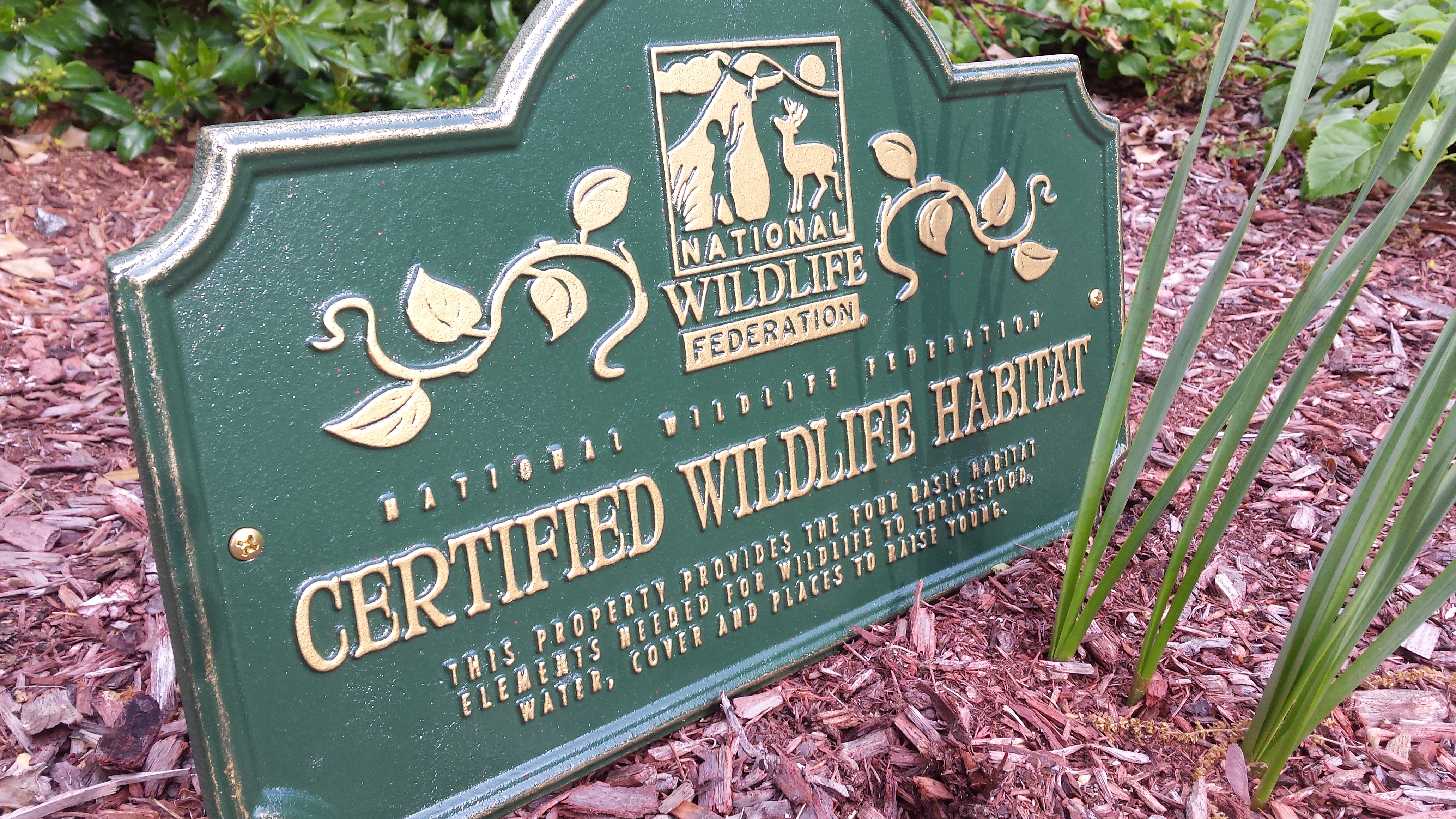
Mom didn’t want a gift for her Birthday last fall, so I got her this distinction from the National Wildlife Federation, instead. She LOVED it!

20150522_175233

This official plaque was posted in one of her favorite spots in the garden today. It reads: “This Property Provides the Four Basic Habitat Elements Needed for Wildlife to Thrive: Food, Water, Cover, and Places to Raise Young.”

The last item is especially true with 6 birdhouses throughout the garden, filled w/ ‘babies’ squawking up a storm today. Look closely and you’ll see one of them…it should fledge this weekend.

20150522_120548

You can get your own National Wildlife Federation Backyard Habitat Certification in a few simple steps. It’s definitely a lovely tribute gift for the person ‘who has everything’!


2 Comments

Suddenly Spring

In some cases, a picture truly is worth a thousand words.

This Garden with Grace update provides a snapshot of one of the most beautiful spring seasons that we’ve enjoyed in southern New Hampshire in recent memory.

Apparently, Mother Nature had a wonderful plan after subjecting us to a winter, that with each passing day, becomes just a distant memory.

Weeping Japanese Fantail Pussywillow was one of the first perennials to come to life in April.

Weeping Japanese Fantail Pussywillow was one of the first perennials to come to life in April

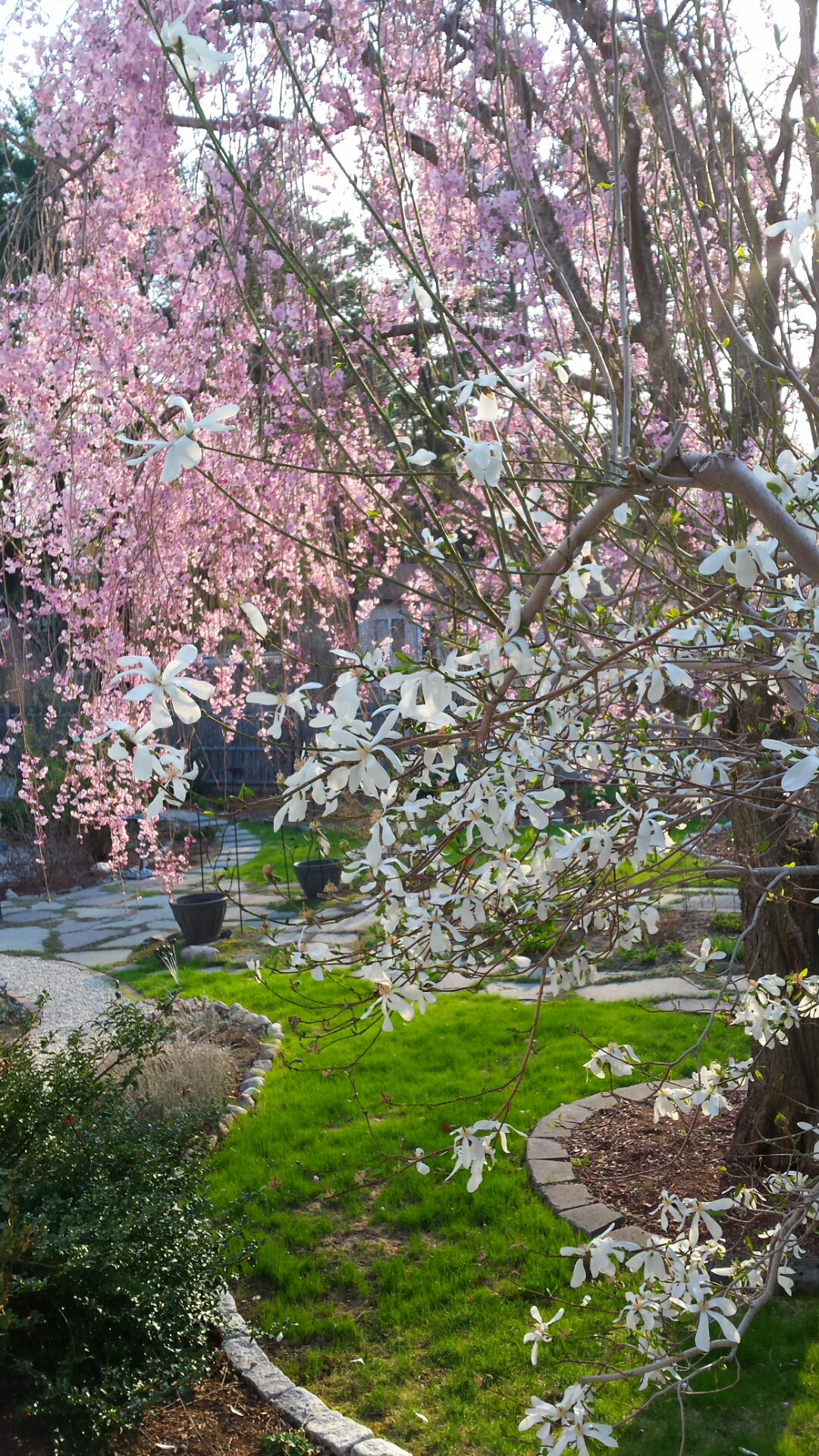
Magnolia & Weeping Cherry bloomed together this year.

Magnolia & Weeping Cherry Tree

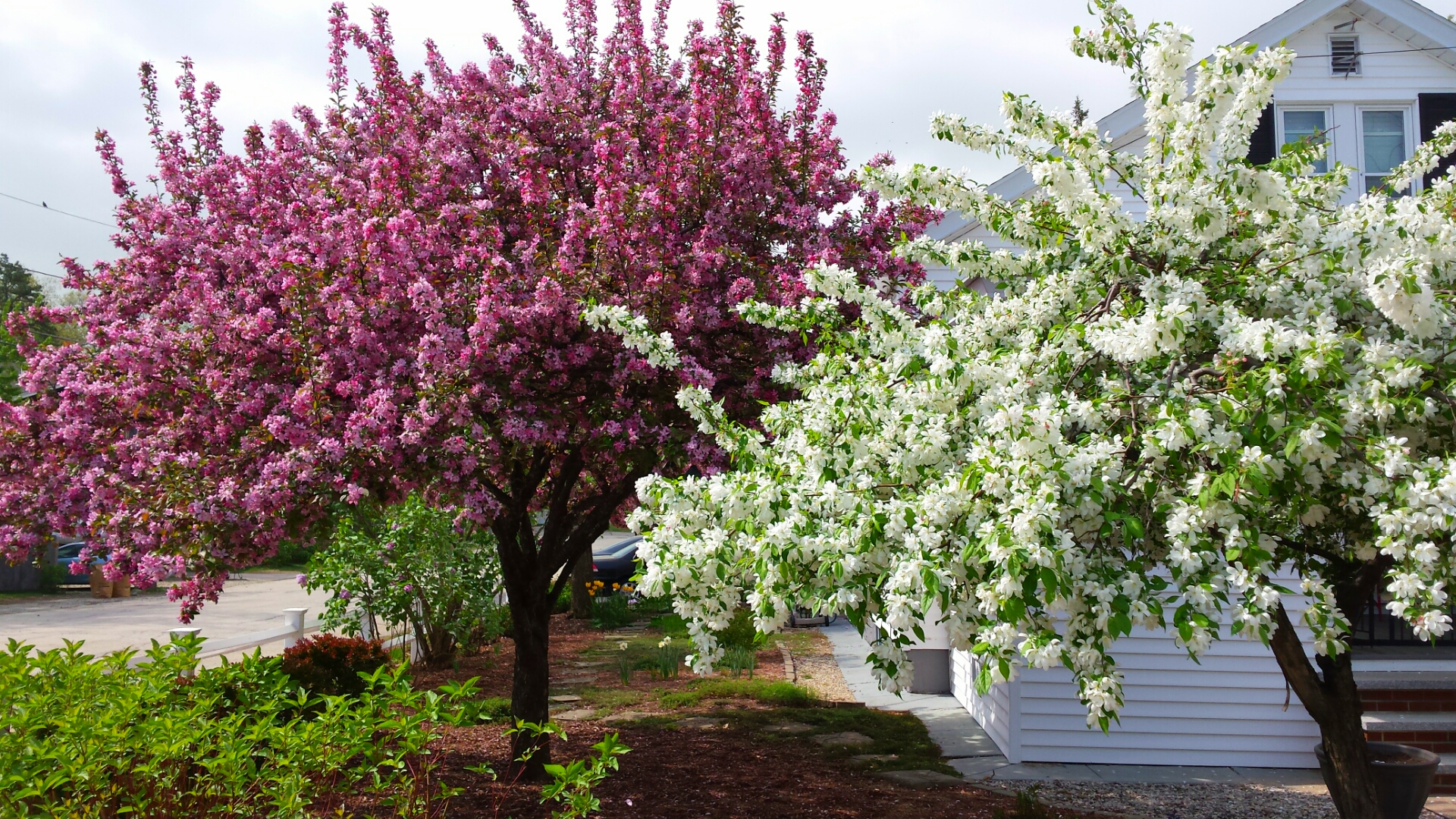
Japanese Weeping Crabapple and standard Crabapple

Japanese Weeping Crabapple and standard Crabapple

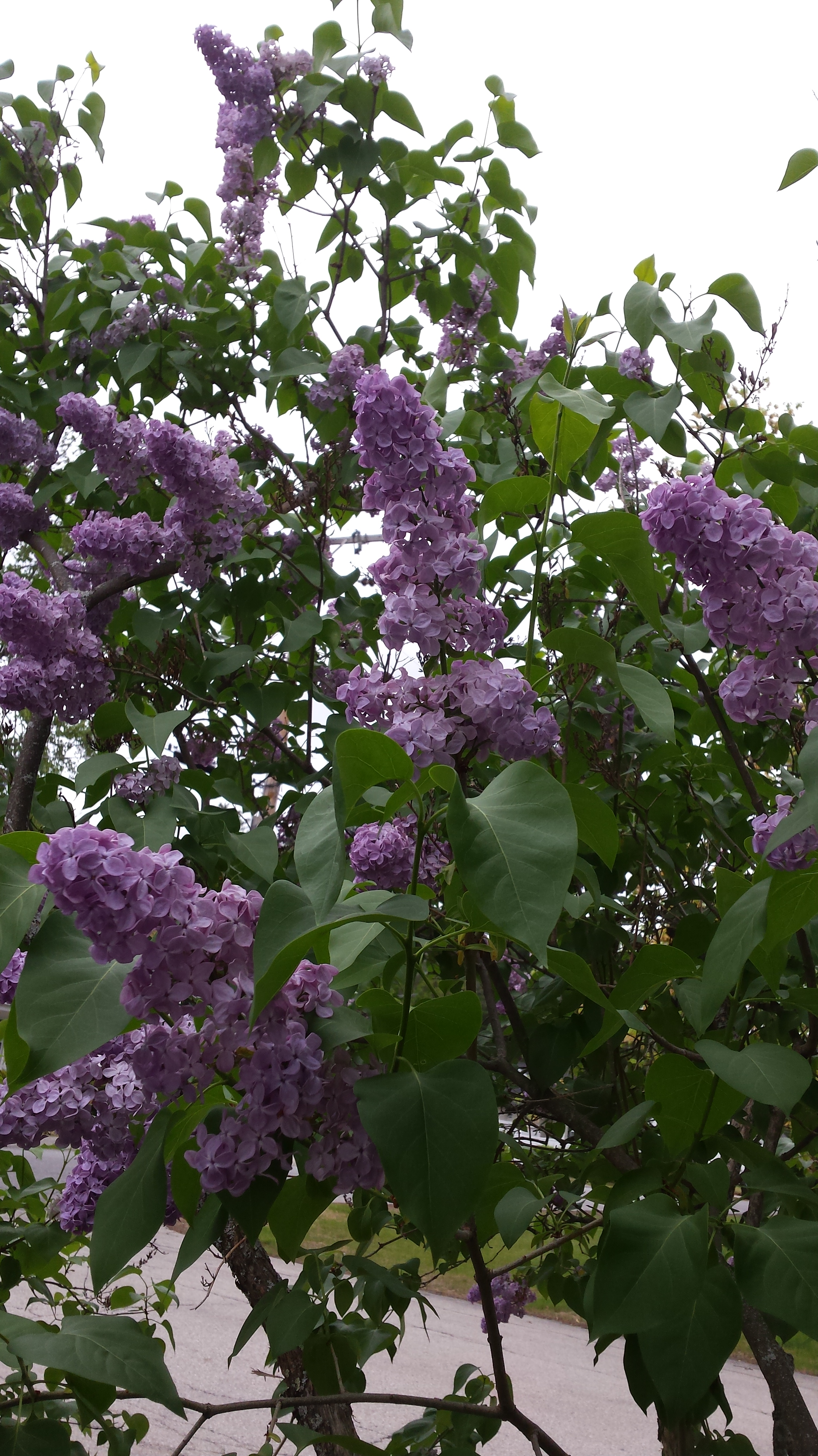
Our State Flower, the (perfumey) Lilac, bloomed most of May

Our State Flower, the (perfumey) Lilac, bloomed most of May

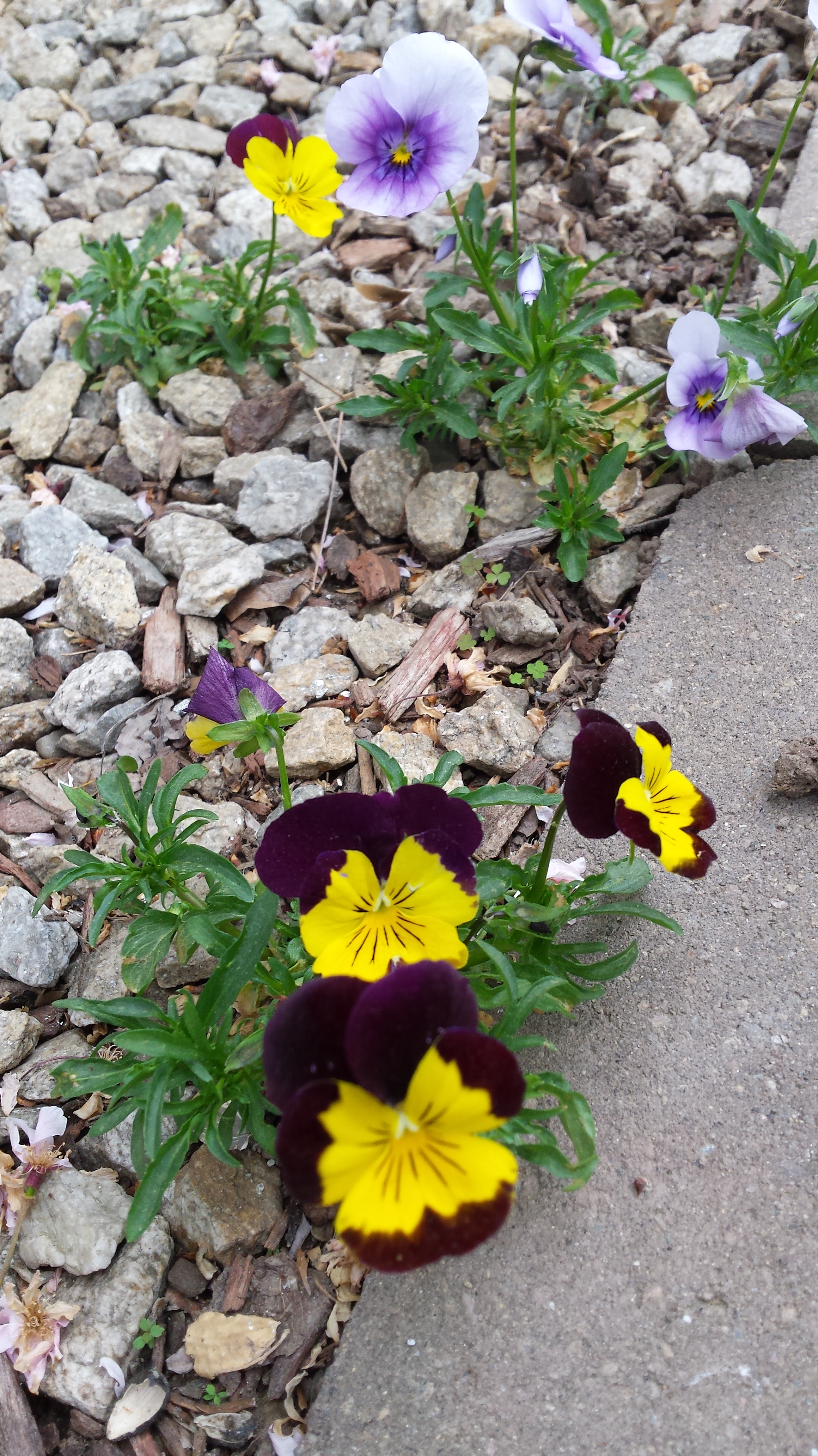
Pansies grew everywhere, except where they were planted!

Pansies grew everywhere, except where they were planted!


5 Comments

What Lies Beneath

Two words come to mind when I’m asked to sum up this year’s winter in NH: Historical & Hysterical.

We’ve had record-breaking snowfall and frigid temperatures in January and February. The depth of the snow has reached nearly 80 inches in some areas around my yard — several back-to-back storms with blizzard conditions created drifts, like never seen before. A typical conversation over the past month includes words and phrases like: Roofrakes: Soldout, Snowblowers, Snowplowing, Ice Dam, Damn Ice, Retire to Florida, Too Cold,  Frigid, etc.

As I looked out of the window this am, I was greeted by two more inches of snow that fell overnight – definitely no big deal at this point (and, secretly, not necessarily unwanted, as the fresh snow covers the filthy black piles that have been building up all winter!)

Then my thoughts started to spring forward, just as our clocks will spring forward for the start of Daylight Savings Time this weekend.

I imagined the garden underneath all of this snow.

I imagined the garden sleeping under a thick white blanket, being protected from the Polar Vortex winds that have not allowed the temperatures to rise above 20 degrees (until today, March 4th.)

I imagined that the plants, especially the early ones, like the crocus and lilacs are as anxious to see and feel the warmth of the sunshine (just as I am!)

Thankfully, a file filled with garden photos, from over the years, allows me to see some of what I imagined, creating the inspiration to share some views of “What Lies Beneath.”

For me, these photos provide hope for the arrival of spring, as well as context to always remember this historical (and hysterical!) winter, that will soon be only a memory.

IMG_5465

View of the back garden on March 4, 2015. Two weeks ago, the snow completely covered the sun and bird garden ornaments.

001

Nearly same garden view during late June 2014.

Coneflower Row

Looking down the purple coneflower path. March 3, 2014

IMG_4535

Similar view of the purple coneflower path in late July 2014.

IMG_5429

View of the back patio – there’s a table and chair set as well as a grill under all of that white! (You can see the remnants of last years pink mandevilla on the far right!)

IMG_4112

This is the back patio in mid June 2014. It looks more livable when not buried in snow! Thankfully, spring is just around the corner!


Leave a comment

What a Difference a Day Makes

It’s been less than 48 hours since my last post and something incredible happened.

Within 12 hours of noticing all of the out-of-the-ordinary blooms in my garden and leaves still stuck on the trees, autumn or more appropriately FALL, arrived.

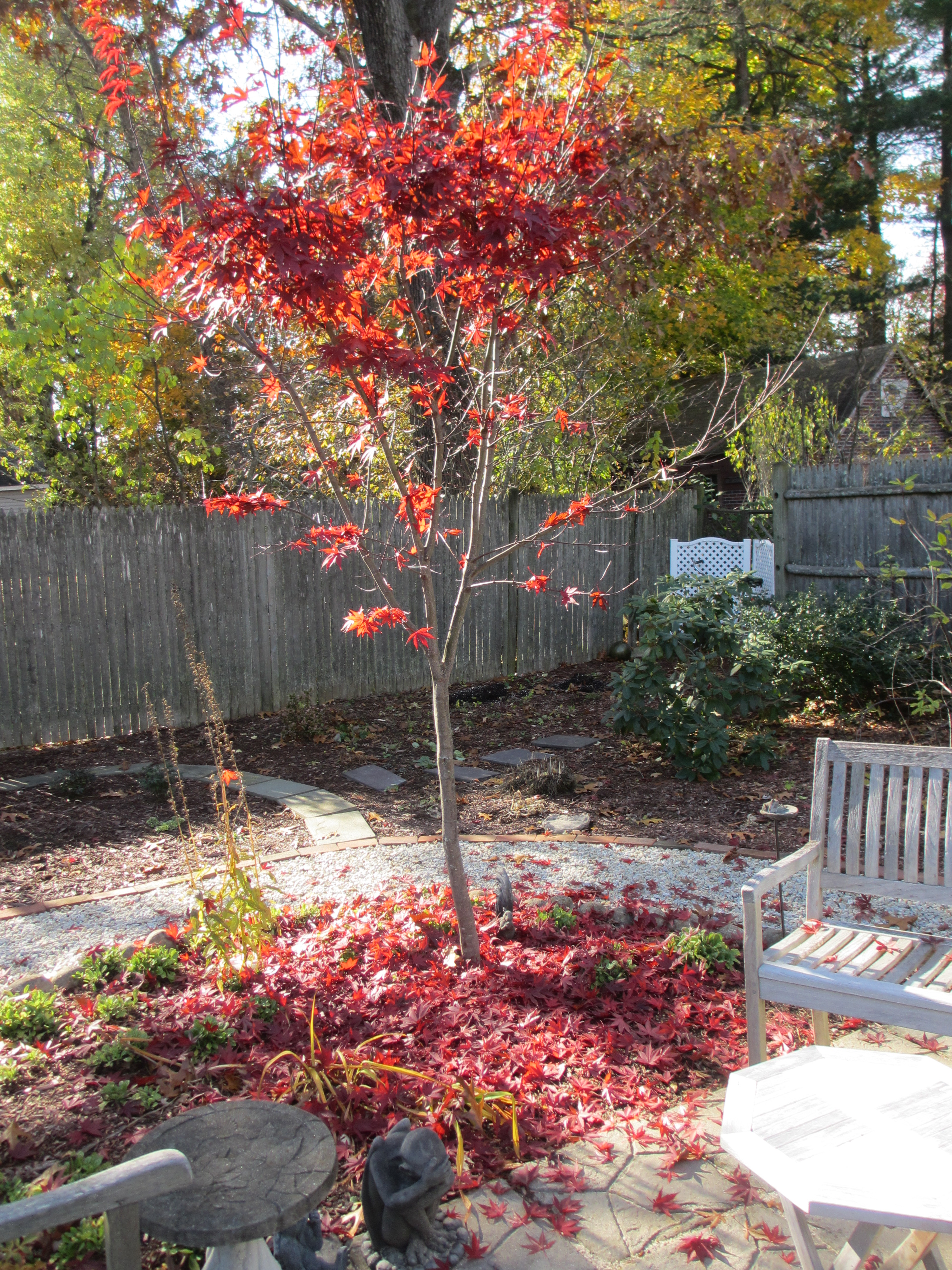
It really did happen overnight. Yesterday morning, the maple tree that was highlighted in my blog on Sunday, dropped most of its leaves. They fell straight down to the ground, creating a beautiful carpet of red leaves. (The little gargoyle statue sitting nearby seems to not want to look!)

IMG_5139

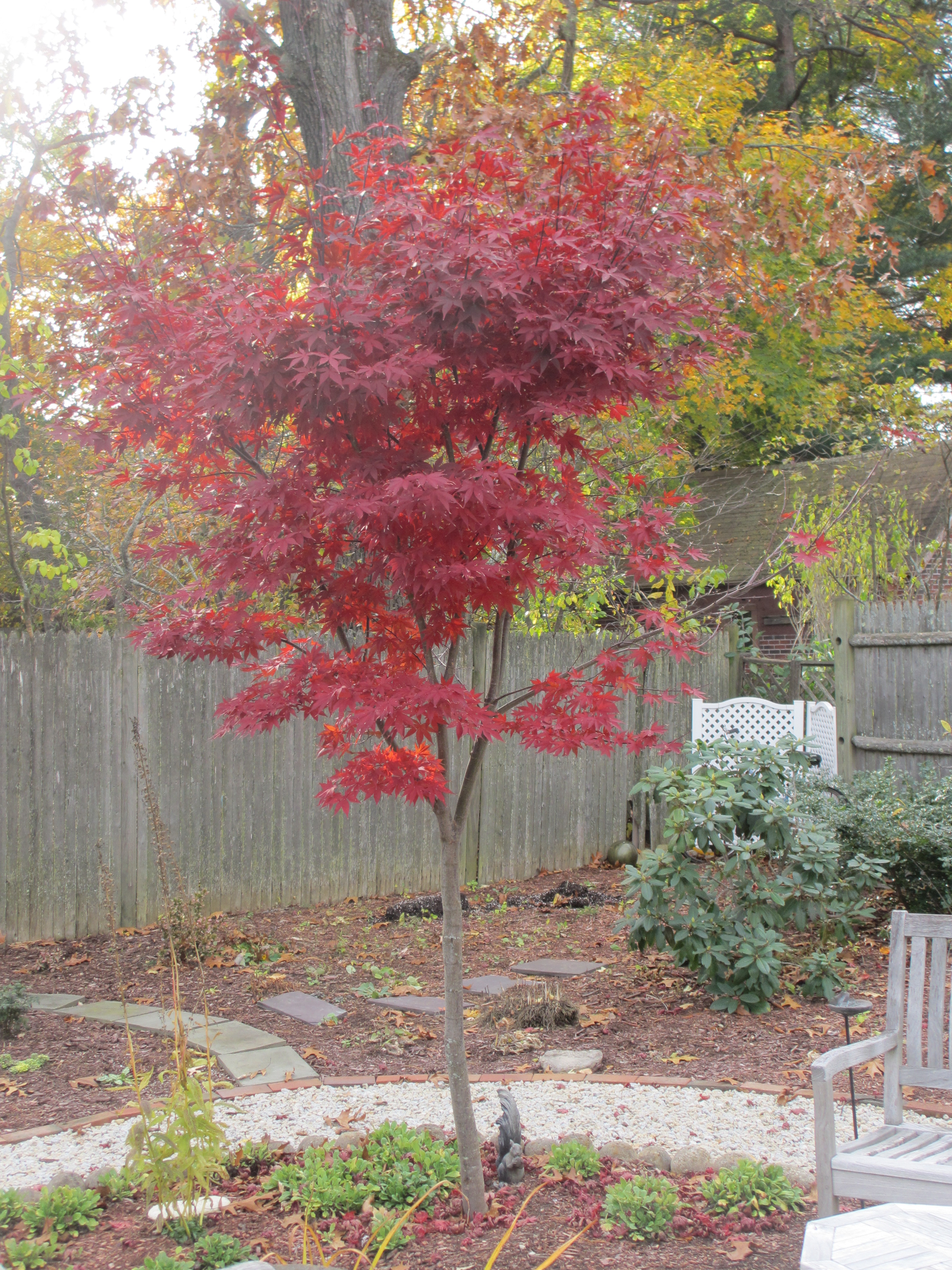
Here’s how it looked less than 24 hours earlier.

IMG_5130

Just goes to prove Mark Twain’s point about New England weather.  “If you don’t like the weather in New England now, just wait a few minutes.”  (or in this case, a few hours!)


1 Comment

Observing ‘the Risk to Blossom’ Today

The weather in New England, specifically where I live, in southern New Hampshire (NH) has forced me to follow my calendar this year. This fall, the garden continues to offer daily surprises, even though we’re well in to November and just over a month away from the Winter Solstice.

We’ve had a spectacular foliage season in NH – lots of red, orange, and yellow to decorate the landscape. This Japanese Maple is a good example of the bright colors:

IMG_5130

Typically, the 7-10 days after Halloween is a big leaf raking/blowing week.  We’re fortunate in Nashua to have curb-side pickup of soft yard waste until the end of November.  In past years, the leaves were blown/raked, shredded, and either put to the curb or added to the compost bin by now.

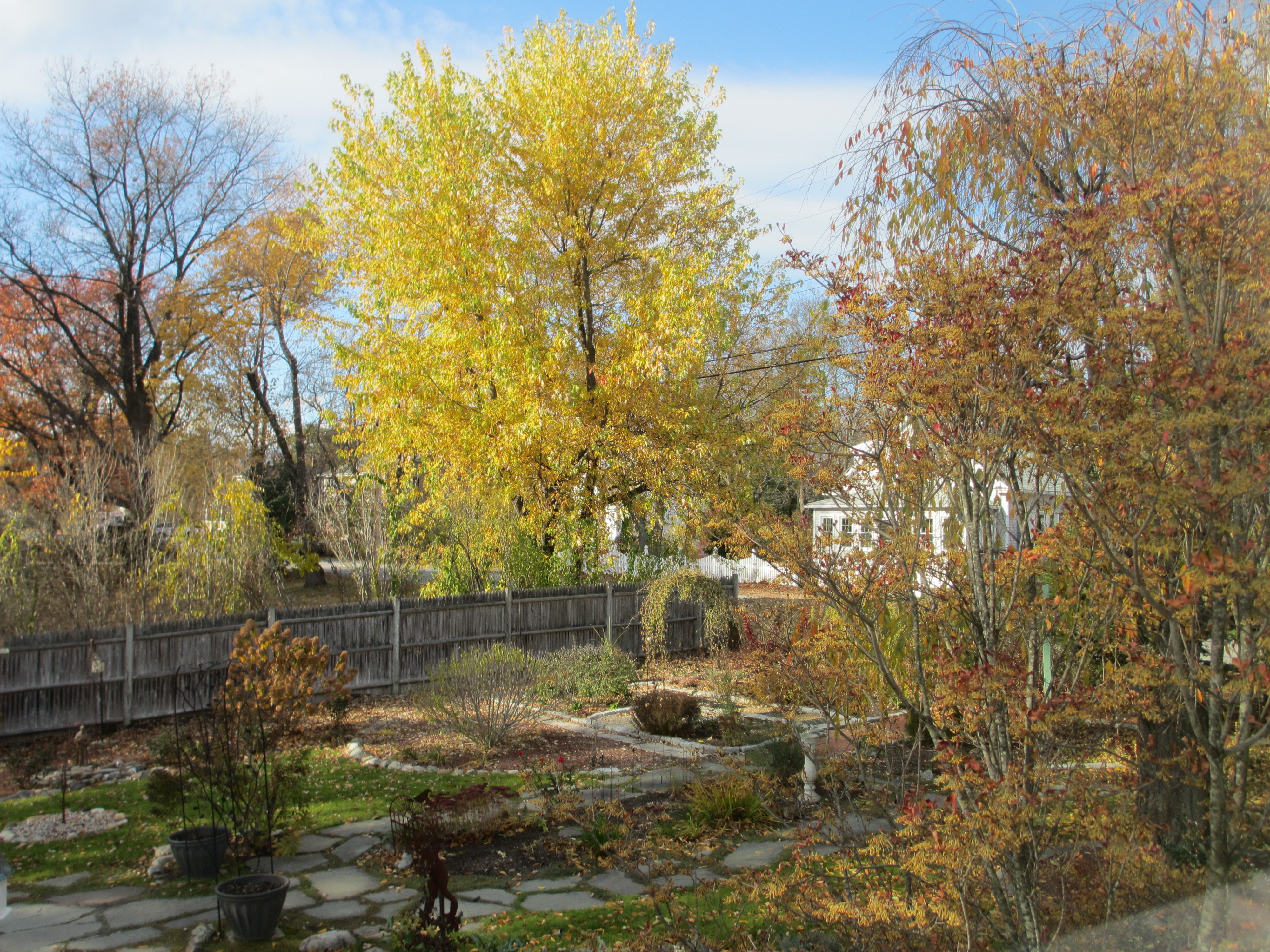
Today, I looked out of the window.  If I didn’t know better, I’d thought it was a beautiful mid-October day.

IMG_5137

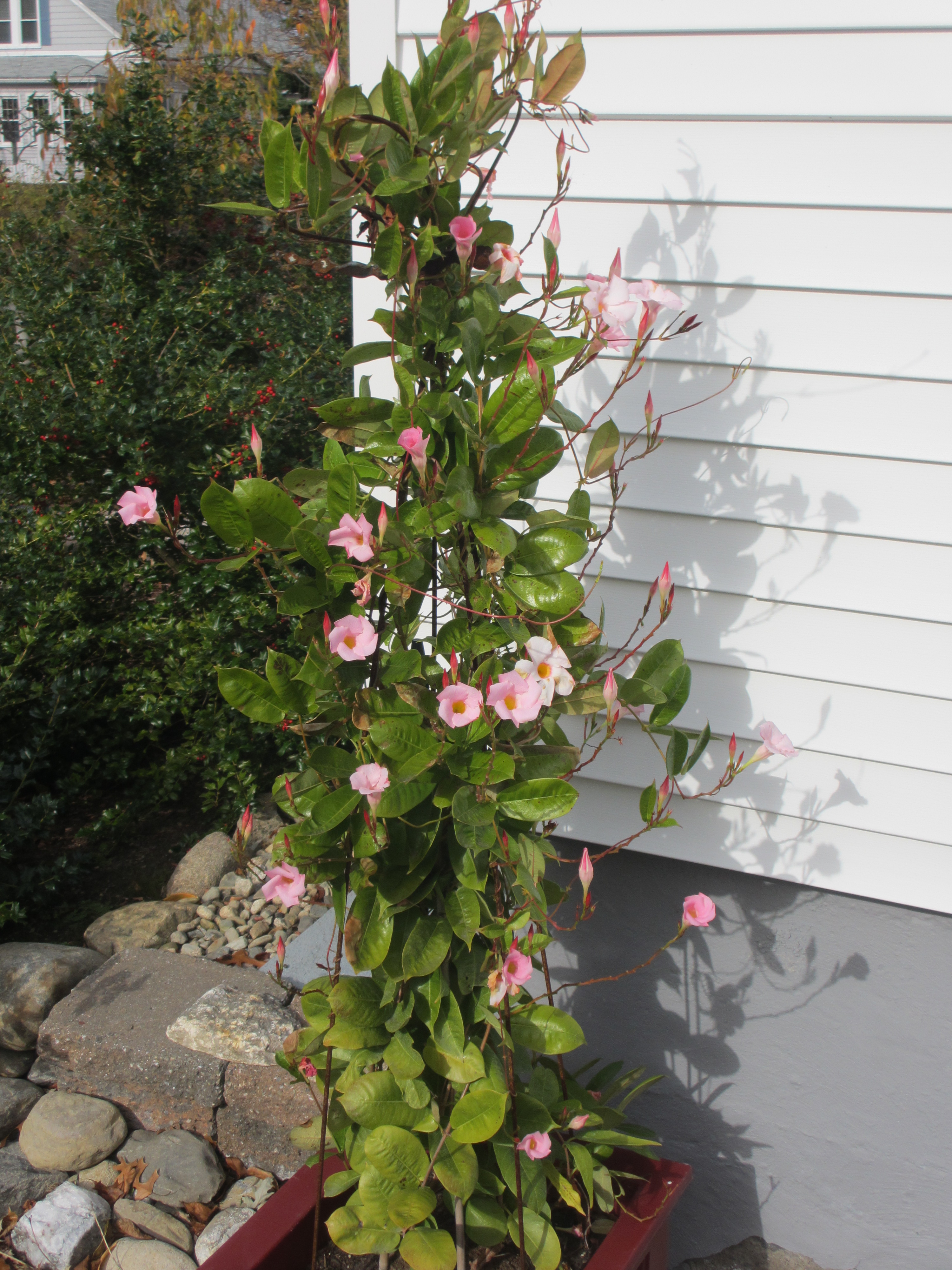
Not only have the leaves refused to fall, but some of the flowers in the garden are still blooming as though it were still late summer. Most unusual is when I look out to the back patio and see that the Mandevilla is still looking great! I’ve never had one of these plants last in my garden/yard past mid September because even the smallest touch of frost kills this tropical plant in an instant.

IMG_5126

While there has been a chill in the air the past 6 weeks,  we’ve yet to have a hard freeze.  What a treat it was to walk thru the garden and find some surprises on November 9!  Typically, the Hollyhocks bloom mid-late summer.  This one got wrapped into the Morning Glories. While the Glories are not so glorious anymore, there’s still one last bloom being pushed out by the Hollyhock. I can actually see it from across the yard while looking out of my home-office window.

IMG_5132

Weeks ago, I thought I had seen the ‘last rose of summer’. Maybe I did and these are ‘the last roses of autumn’? If they stick it out, they could be the first roses of winter.

IMG_5131

Also paying a surprise visit today were the ‘Pinks’ aka: Dianthus and the ‘Indian Blanket’ aka: Gaillardia.

IMG_5134


IMG_5136

Isn’t Mother Nature incredible? She definitely has a plan.

It makes me wonder if these flowers in the garden today were late bloomers or perhaps they are the best example of Anais Nin’s quote that has always been an inspiration to me in early spring:

“And the day came when the risk to remain tight in a bud was more painful than the risk it took to blossom.”


Leave a comment

A New Fall Favorite! The Purple Beautyberry Shrub

An important aspect of my garden is that it was planned to include a variety of plants to create interest all through the year.

Just as the flowers are starting to fade, there are still some late season surprises popping up.

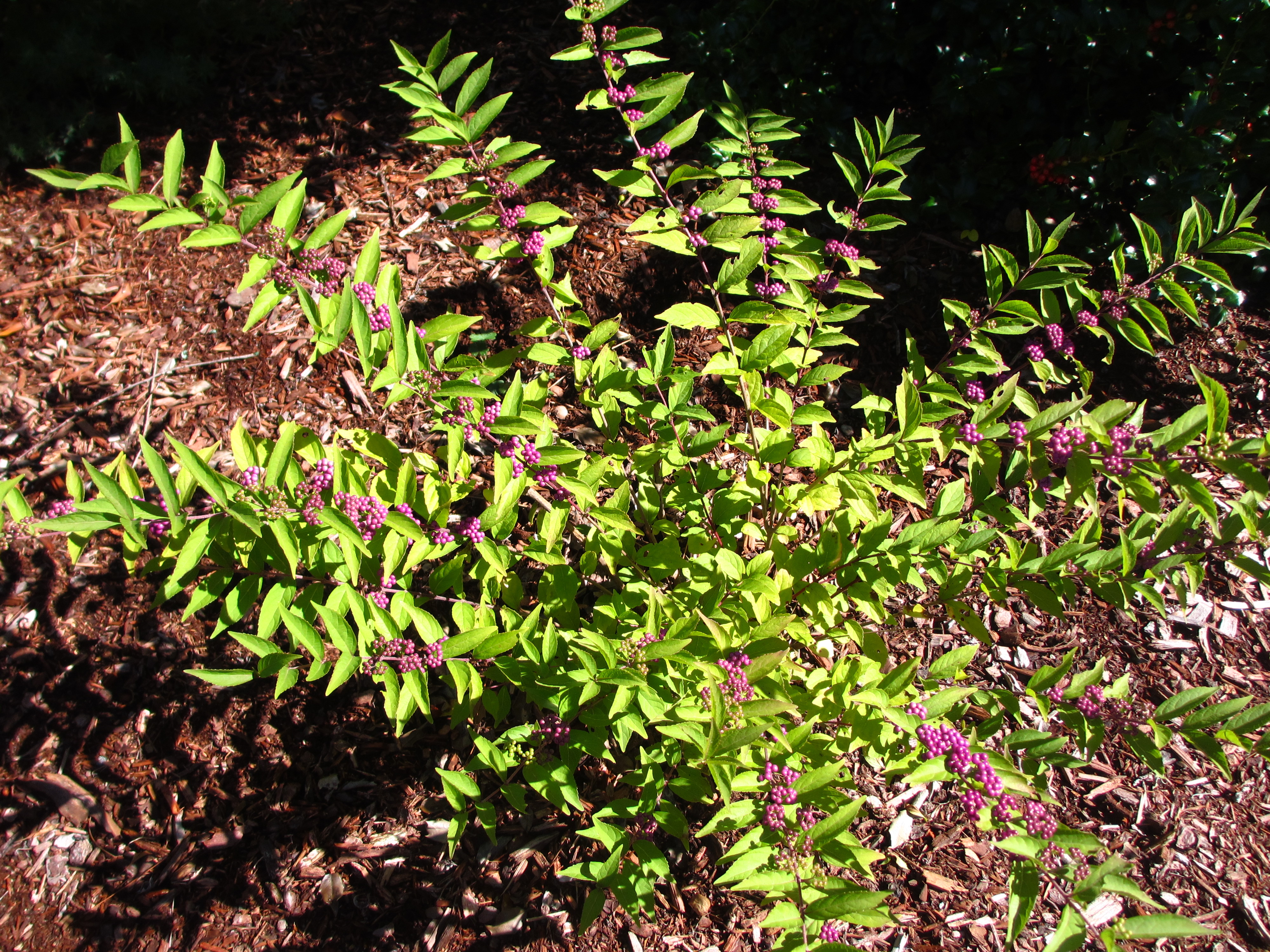
My favorite is arrival of the amethyst colored berries on the Beautyberry shrub that we planted in the late fall of 2013. (I’ve recently learned not to call this a Beautybush, because that’s a whole other type of plant.)

It was an impulse purchase only because of the color of the berries and it is suited for zone 5. Before planting this little shrub in it’s permanent spot, it sat for a few days here and there in garden, so we could find the perfect spot to admire it the future.

Honestly, with so much coming to an end in the garden the past few weeks, I forgot about this plant.

It’s still small, about 2 feet in diameter. It will eventually get up to 4 feet tall and wide.

In the spring it had tiny white flowers. When the foliage color changes later in October, it should morph into a bright yellow shrub (if not hit by frost first!)

We are starting to see a little color change since we’ve been fortunate that the temperature has only dropped to 36(F) degrees in the Nashua area so far this fall.

And now, as we head into the middle of October, it is one of the most striking plants in the garden!

IMG_5001

But, take a closer look. I just think “WOW!” Its color is so unusual – personally, I think that the berries look fake because that color of purple is not normally seen in my garden. Even with the iris and day lilies.

IMG_5002

All of those bright purple berries are just beautiful. The birds enjoy these only when they exhaust the supply of other fruits and berries on the nearby holly and crabapples.

It’s nice to have something so unusual and striking in the garden appear as the nights grow long, the days grow short, and time in the 2014 garden is quickly coming to an end.


4 Comments

28 Day Transformation of a Sad Sod Situation

Of all of the perennial plants in the garden, growing a lush, green lawn has been the most challenging over the years.  When my grandfather was alive, maintaining the perfect lawn was his obsession.  The entire yard consisted of a moderate sized vegetable garden and the greenest, weed-free lawn in the neighborhood, if not the entire City of Nashua.

As the years have gone by, the lush lawn has evolved into large perennial gardens of local plants and flowers, most of them drought and deer resistant. However, there are two areas of the backyard with grass — each about the size of a putting green.  The paths through the gardens wind around these patches of lawn.

After the removal of an old, dying cherry tree about 7 years ago, the grass just wasn’t doing well while the tree’s roots rotted. As a result it was replaced with fresh loam and sod (about 6 years ago).

It looked beautiful, but without an irrigation system, it required a lot of water. Yes, so much water that that the first water bill of that summer was outrageously obscene. Thankfully, the investment resulted in lush, beautiful grass until the oak tree abutting my property that gave nice shade was removed last summer.

Like the cherry removed a few years earlier, it was a dying, large, old tree. It was dropping 10+ foot branches and was a hazard to the neighbor’s home and the fence on our property line. The tree became more of a concern after the dangerous, late October storms 2 years in a row – the Halloween Snowstorm and Hurricane Sandy.

The removal of the oak in the late spring of 2013 dramatically changed the sunlight across the entire garden. Overall, the evolution to a full sun area was good (actually great!) for the majority of the garden.

Except for the sod.

A Sad Sod Situation (with apologies to Sir Elton John!)

Over the past two summers, the soft, lush, green lawn turned into a brown, crunchy mess (the only green to survive consisted of weeds, which actually did very well this past summer.)  Oh, yes, it was the sun scorching the grass, but also the fact that I over fertilized in the fall of 2013 added an extra ingredient for disaster.  This is my best of life experience example that supports the idiom that “Too much of a good thing can be bad.”IMG_4877

After some research and a little desperation (for a few days, I considered buying that “As Seen on TV” product called Hydro Mousse!), the reality hit that the dead sod needed to just be removed and a new lawn had to be planted.  Timing was perfect for this late August decision because fall is the best time to plant a lawn and focus on caring for grass.

Hope is on the Way

On September 4, a landscaper started the project. In an hour, he and his crew removed what was left of the old, dead sod. On September 5, he stopped by for another hour and spread fresh, new loam.  Then, on the morning of September 6, the Tall Fescue grass seed was planted. He actually planted 2 layers of it.

Within a week, little tints of green stated to appear.  Within 2 weeks, the areas of new grass started to show real life.  At 3 weeks, it was time to a quick mow! September was cool but dry in Nashua, so the new grass was watered 2x a day for 3 weeks. (The September water bill has not yet arrived!)

Finally…..It’s Good to Touch the Green, Green Grass of Home

Today, marks week 4.  I’m just amazed at the transformation that has occurred in 28 days.IMG_4978

There are still some small open patches that will be tended to in the spring, but the grass is once again soft, lush, and green.

It’s the kind of lawn that makes you want to kick off your shoes and walk barefoot across. Exactly like you’d expect of the green, green grass of home.


2 Comments

The Summer Ritual of a Daily Hummingbird Watch

Mother Nature does an excellent job to let us know that the seasons are changing in New England.

The biggest hint that she offers is the changing color of the foliage across our region, with little flecks of red and yellow peeking out across a lush green landscape, sometimes as early as late August.

The other hint is the arrival and departure of the Ruby-Throated Hummingbirds to the garden.  To me, this cue is more indicative of the transition from winter to summer and summer to winter than the changing trees.

There is always so much anticipation in mid April when the hummingbird sugar water (we call it “Hummingbird Hooch”) feeders go up for the season.  The arrival of the hummingbirds to the garden is a sign that the spring flowers including the lilacs and iris are starting to bloom.

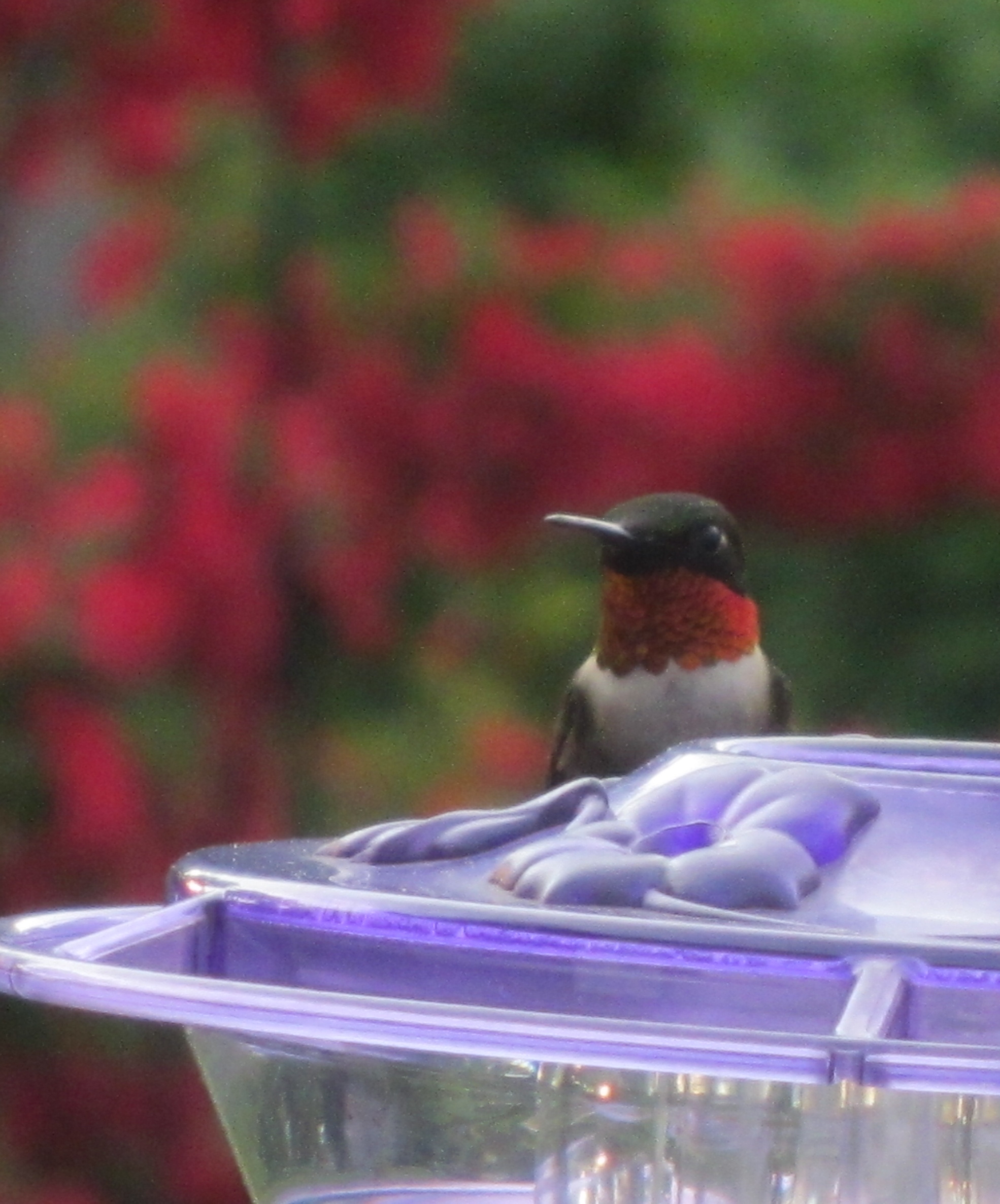
This summer, evenings on the back patio included the ritual of a daily “Hummingbird Watch” from 7:00-8:30pm each evening. It was the same, yet different every night.  Different visitors would join this ritual but conversation would always stop (or at least tone down to a whisper) when the hummingbirds arrived. The males were very active and were the most frequent “hummingbird hooch” consumers during the early part of the summer. (The spectators of these birds would enjoy their own hooch, too!  This summer’s favorite was the Garden Cucumber Cocktail or a refreshing. cold glass of Chardonnay or Sauvignon Blanc.)  Here’s one of my favorite photos from June of a Ruby Thoated male that includes a red weigela in the background.

RubyThroated Male

While being able to capture any photo of a hummingbird is exciting to me (I use a simple point and shoot Canon Powershot Elph310 HS camera), I had a goal after capturing this shot of being able to snap a photo of one of the birds in the garden, getting nectar from one of the many flowers that I’d see them visiting during the day (of course, always when the camera was not in my hand!)

Finally, in early August, as I started to think about the pending departure of the this year’s resident hummingbird residents, a new perennial Cardinal Flower bloomed and attracted female hummingbirds all day long. I finally met my goal by capturing this shot.

IMG_4718For as long as it seems to take for April to arrive each year, without fail, September always comes too quickly.

This year was no exception.  By late August the hummingbirds were ingesting 3x as much sugar water than they consumed between May and July. It was another cue that the summer season was about to change – these tiny powerhouses always need to fuel up before their long flights for their winter vacations in South America.

By Labor day, the male Ruby-Throated birds were gone, headed south (probably to Costa Rica) to claim their winter territories and wait for their mates. By mid-September, the females were gone, too. The feeders are now empty and stored away until April 2015.

It’s time to create a new daily garden ritual.


Leave a comment

When the Garden Gives You Lemons, Make Lemon Drop Cocktails!

At the start of this year, I shared the story about the pink lemon tree acquired in October 2013.

We’ve waited for months for the first lemon to be ready to pick (almost a full year, actually), only to see hundreds of tiny lemons, barely the size of peas, fall to the ground during 3-4 growth cycles. While that may seem discouraging to some people, this plant has been enjoyed even without fruit for months, indoors and out.  Its tiny white and purple flowers are extremely fragrant, as is the beautiful, shiny, variegated foliage. When it isn’t indoors filling the garden room with lemon perfume, it’s outdoors bringing delight to the honeybees.

By late May, the pink lemon tree was moved from the garden room indoors to the back patio where it enjoyed outdoor living for 3 full months.  However, with the temperatures expected to drop into the 40’s (F) in New Hampshire tonight, it is time to bring this beauty indoors during the overnight hours

But, before that happens, we needed to pick a lemon. Today, the first lemon was harvested! The pink lemon variety never really turns completely yellow – it’s a creamy yellow color with green stripes. The fruit size is small, more like a lime or golf ball.

IMG_4913

A lot of thought went into what to do with this lemon – we really wanted to be able to taste its lemony flavor, but with only one lemon, there’d be hardly enough juice for even a thimble-full of lemonade.  The truth is that I didn’t care what the end offering would be, I just wanted to cut open the fruit to see its pink flesh.  It looked a little more salmon color than bright pink – and was beautiful.

IMG_4916

When you grow your own lemons, you enjoy fruit that is not covered in wax because it was shipped to your market from thousands of miles away.  Instead, the outside of the lemon rendered a big spray of oil when it was cut and then squeezed.

Thankfully, if you have vodka in the house, you can skip the lemonade and go right for a lemon cocktail.  I did a quick search online to find a recipe that only needed a few ingredients and Ina Garten offered the solution. Her recipe for a Lemon Drop cocktail was perfect – I simply cut the ingredient portions in half for my one, lonely lemon.

Voila! The most delicious Lemon Drop Cocktail that took nearly a year to make!

IMG_4917Cheers! And, here’s to the remaining 4 lemons that should be ready in as many weeks. If you have suggestions on how I should plan to use them, let me know via a comment!